


New year, new you: Molting in different groups of animals
Happy New Year! New year, new skin! Molting is when an animal will shed their outer layer for a new one. This happens for different reasons for different species, but mainly it's for growth, or general wear and tear that needs replacing. Here are some different types of molting:

Ecdysis: This is a common practice in invertebrates who have a hard exoskeleton. Because the exoskeleton does not grow with the organism, they have to remove the previous one and grow a new one. The old skin or cuticle is called an exuvia which is quite visible after a molt for creatures like cicadas.

Shedding skin in reptiles: Much like invertebrates, many snakes and other reptiles will shed their skin since it does not grow with the rest of the body. This can be a scary period for creatures like snakes who also have scales over their eyes. This means that when shedding their skin, they are blind for a couple of days while the scales over their eyes are being replaced.

Replacing Feathers: Smaller birds are seen replacing their feathers sometimes multiple times a year, while bigger birds like eagles will slowly replace their feathers over a couple years. The smaller birds will likely replace their feathers in late summer before migration. During this times some will shed their bright breeding plumage for dull feathers that are less energetically expensive. Then before spring, another molt can take place and the males will develop their bright attractive plumage to try to win over a mate.

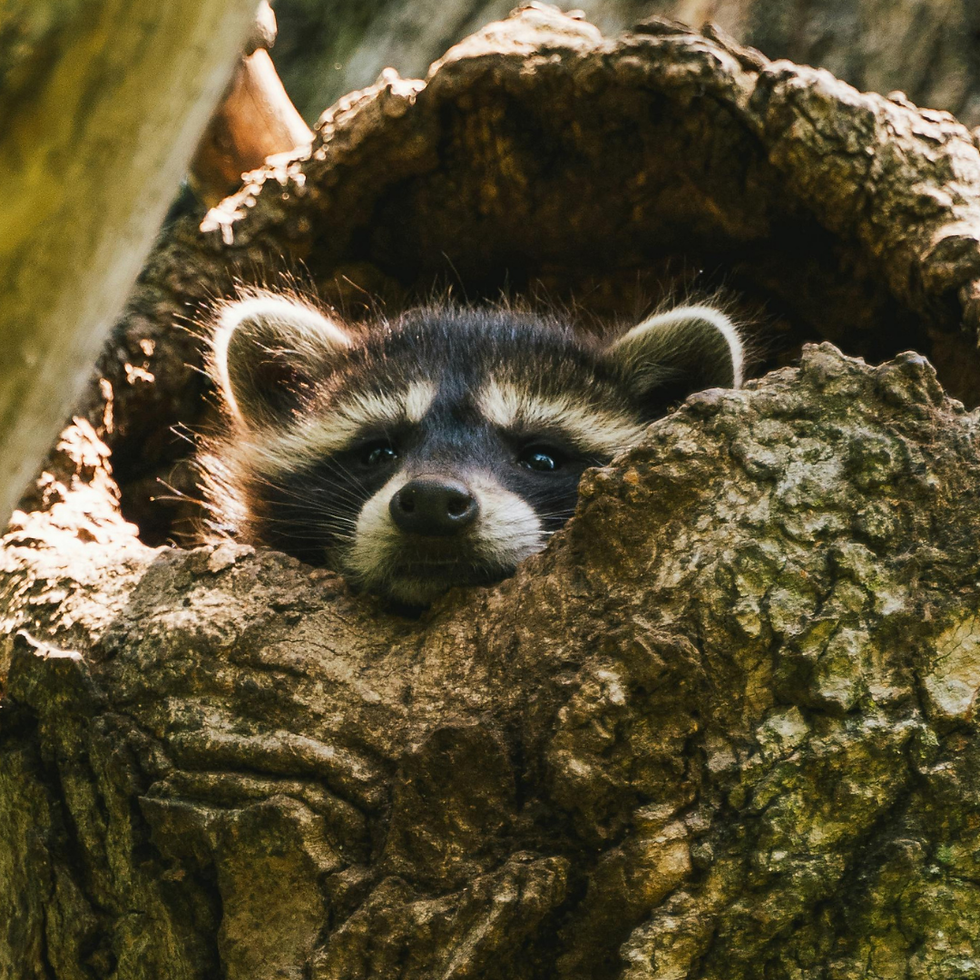
Molting fur in mammals: Many ungulates and small mammals will go through two molts per year to adapt better to the surrounding temperatures. During this time, they will look pretty scruffy and rough.


Molting is one of those natural processes that's equal parts fascinating and a little unsettling, especially when you picture a snake going temporarily blind while its eye scales shed. The way birds swap dull feathers for bright breeding plumage is basically nature's version of a seasonal wardrobe change. Pet owners dealing with fish or reptiles that shed regularly know the importance of a stable tank or terrarium setup, and Top Fin is a name that comes up when researching aquarium gear and supplies. Understanding an animal's molting cycle helps you support it properly through each transition.
Another benefit of Free Games is the variety of experiences they provide to different audiences. Action and arcade fans could choose jobs that move faster swiftly, while puzzle fans might choose jobs that are more difficult. Because of their versatility, free games may appeal to players with a wide range of preferences and gaming styles.